Battles
Hot & Fast vs Low & Slow: When to Use Each
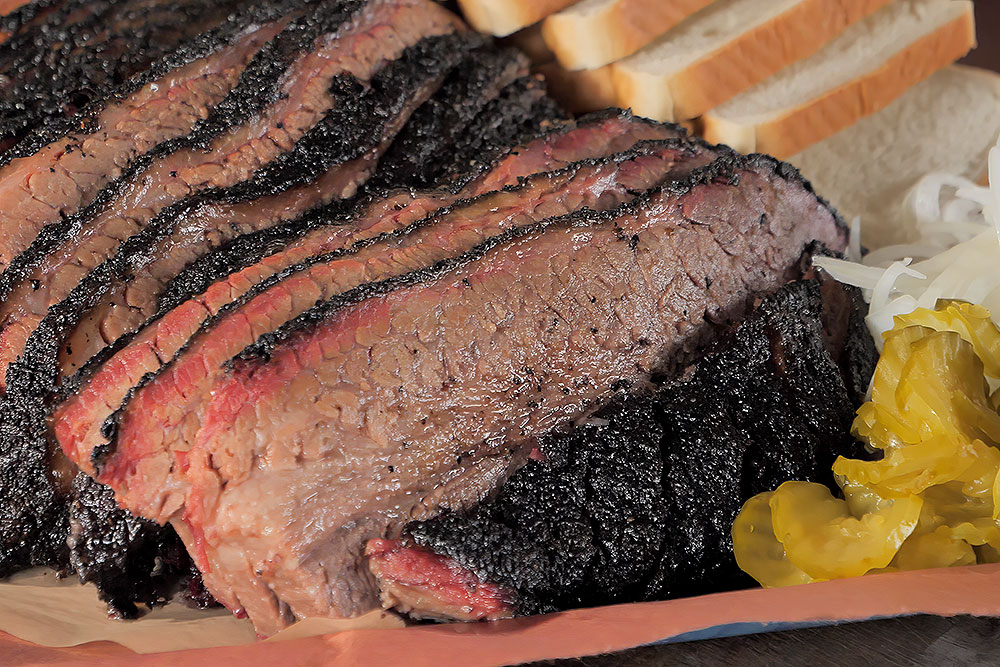
Looking for the best way to tackle your next brisket, ribs, or pork shoulder? It often comes down to time and texture. Hot & fast gets you to the table sooner with bold bark, while low & slow builds that classic, melty tenderness. Here’s how to choose the right path for the cut—and your schedule.
When it comes to cooking brisket, three words have been the credo of the barbecue community for decades: “low and slow.”
In other words, cook it at a low temperature for a long time to render the brisket fat and convert the tough collagen to tender gelatin.
When Texas Monthly barbecue critic Daniel Vaughn wrote about pitmaster Roland Lindsey’s “hot and fast” method at Bodacious Bar-B-Que in Longview, Texas—incidentally, the first place I ever experienced Texas barbecue—it sparked plenty of conversation in the barbecue world.
If you could really cook a respectable brisket in 3 hours, why have so many of us endured predawn wake-up calls or overnight smoke sessions.
Well, the controversy reached Barbecue University recently, so we asked our Test Kitchen Director, Steve Nestor, to put it to the test.
Hot and Fast vs Low and Slow
In a nutshell, the hot and fast method calls for cooking a full packer brisket at 400 degrees instead of the traditional 250. The supposed secret is to rest the brisket in an insulated cooler for at least 2 hours to allow the meat to relax.
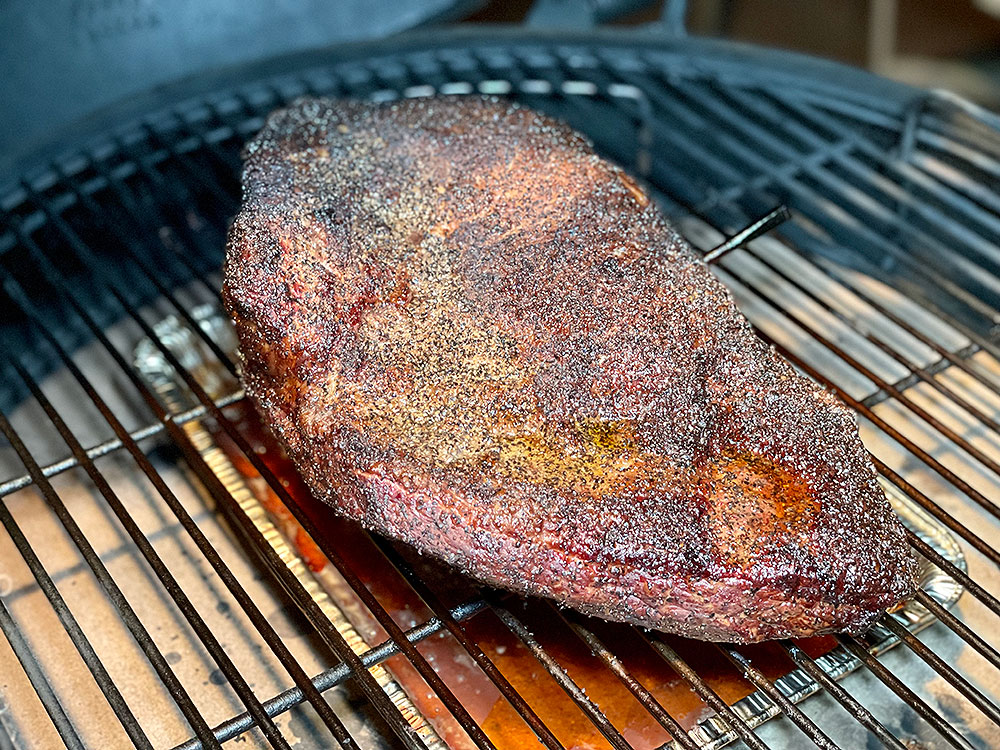
We used a Weber kettle grill set up for indirect grilling. (Most smokers don’t get that hot.) We fueled it with Fogo Quebracho charcoal and added my cherry chunks to generate wood smoke.
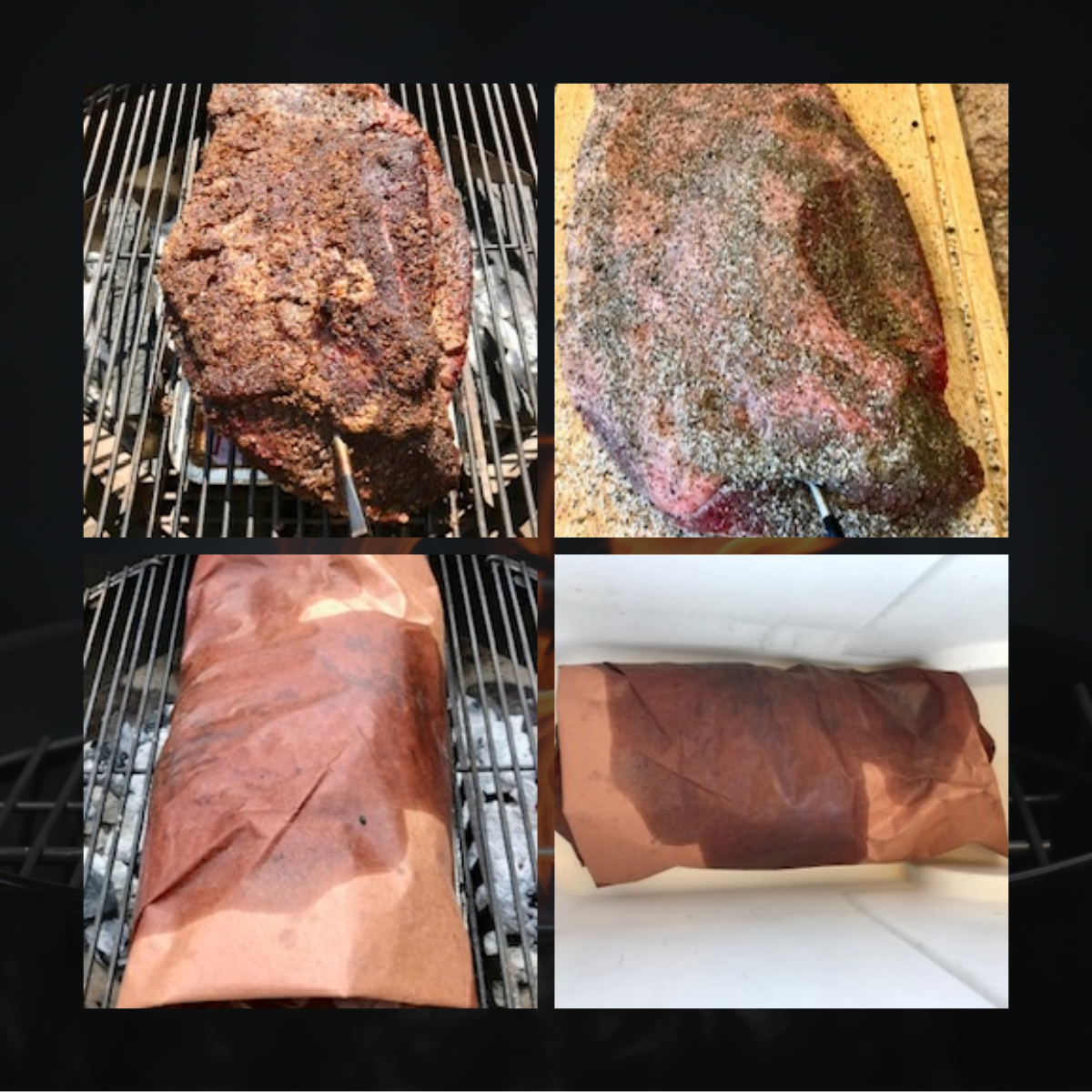
We seasoned the meat with my new Texas Brisket Rub and cooked it unwrapped to an internal temperature of 160 degrees. Then we wrapped it in unlined butcher paper and continued cooking it to an internal temperature of 205 degrees. The total cooking time was just north of 4 hours.
I confess: I was dubious. The internal temperature may have been right, but the brisket sure didn’t feel right. It flunked the “bend” test (lift it under the center and watch the ends bend downward) It lacked the “jiggle” I associate with a properly cooked brisket.
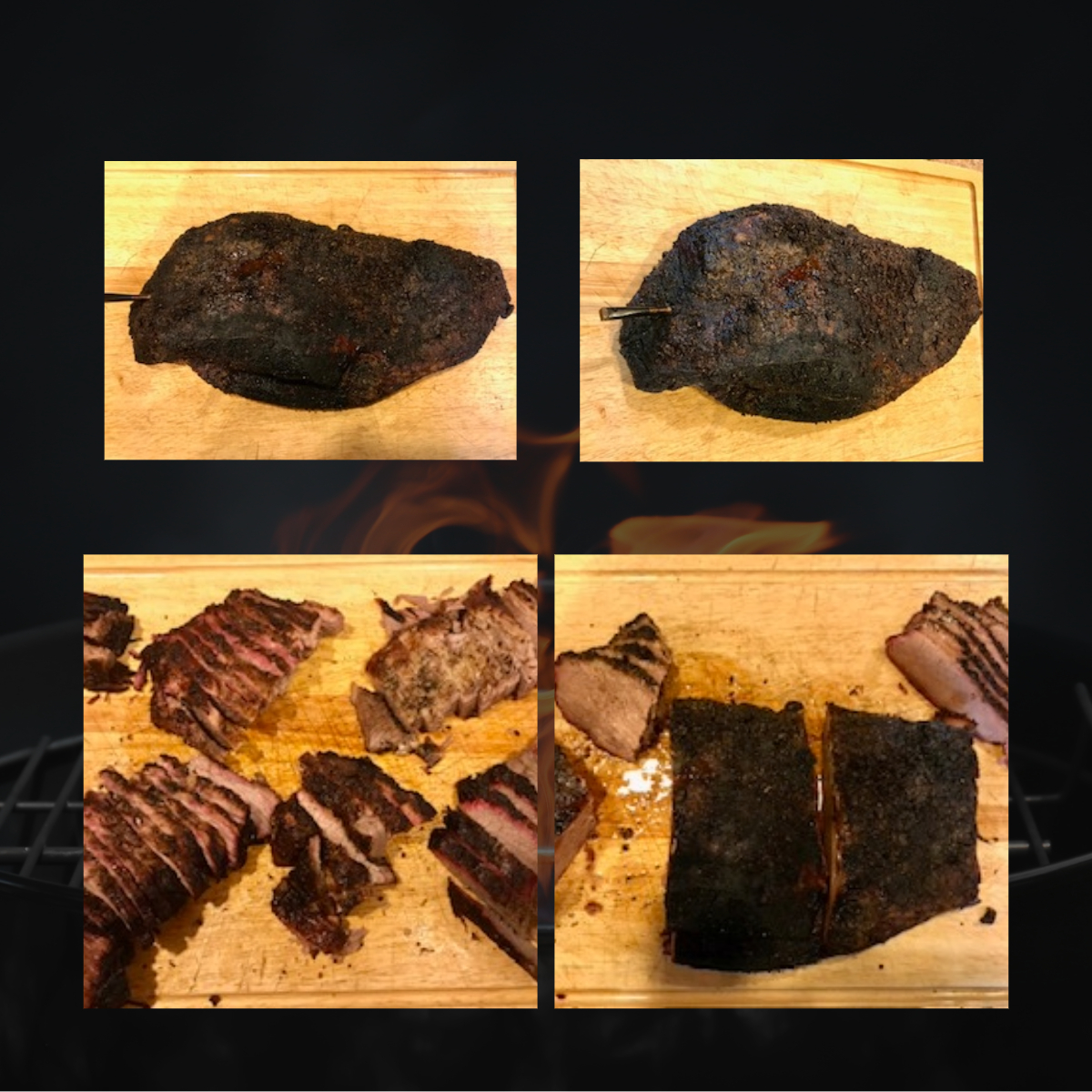
We rested it in an insulated cooler for the prescribed 2 hours. Much to my surprise, the meat softened considerably during that time, and when we cut into it, we tasted not a top tier brisket, but a respectable second flight.
The Results
The flat was a bit tougher than a low and slow brisket, but it would be OK thinly sliced on a sandwichh.
The point was moist and succulent. You could see the white intramuscular fat (which in a low and slow cook would melt out), but the mouthfeel was luscious the way a brisket point should be.
Both parts had a well-defined smoke ring and pronounced smoke flavor.
Bottom line: You wouldn’t mistake a hot and fast brisket for meat smoked low and slow the traditional way. But if you’re crunched for time, the hurried up version is a lot better than no brisket at all.
There’s no one “right” way—only the way that fits your cut, cooker, and clock. Master both methods and you’ll cook with confidence year-round. Ready for a deeper dive? Explore our brisket tutorials and step-by-step techniques across Project Fire and BarbecueBible.com.
Hot & Fast vs Low & Slow: Frequently Asked Questions
When should I choose hot & fast over low & slow?
What temps define each method?
Does wrapping change which method works best?
Which cookers are best for hot & fast vs low & slow?
Will hot & fast taste smoky enough?
Check out our 1000+ Recipes section here on Barbecue Bible.ComAlso, sign up for our Up in Smoke newsletter so you don't miss any blogs and receive some special offers! PLUS get Raichlen's Burgers! PDF for free!
Follow Steven on Facebook, Instagram, YouTube, TikTok, Reddit, and Pinterest!
Check out our store powered by BBQGuys!